Water Damage Restoration in Big Bear Lake, CA
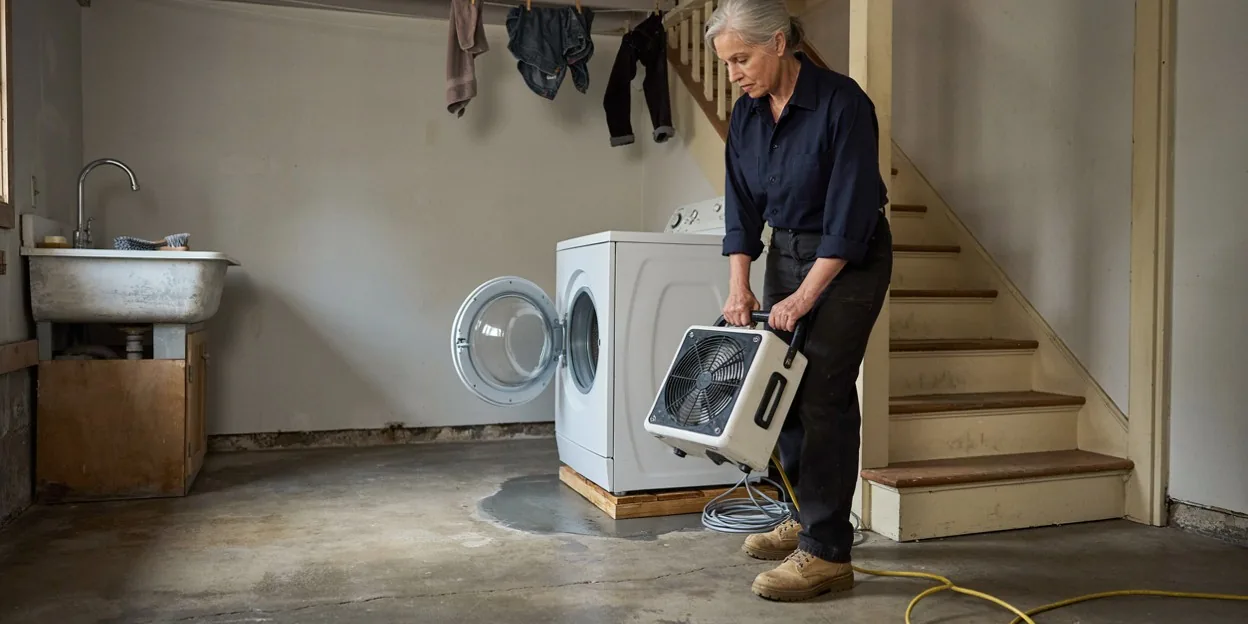
Big Bear Lake sits at about 6,750 feet on the south shore of the lake, and it is a town of cabins. The first rock dam went in at the west end in 1884 to store irrigation water for Redlands, the taller multiple-arch dam replaced it in 1912, and the resort town that grew along the shore incorporated in 1980. Most homes are second homes or short-term rentals, built from the 1920s through the 1980s on raised floors with a crawl space underneath, and many sit empty from Sunday night to Friday.
That is the problem. A supply line in an exterior wall or under the floor freezes on a January night while nobody is there, splits, and runs until someone drives up. The blizzard that started in late February 2023 dropped several feet of snow on the valley, cut the mountain off for days, and left frozen-pipe losses and roof leaks behind when it melted. Snow load on a flat-roofed 1960s cabin and an ice dam at the eave send water in around the chimney and the skylights.
Call us now and tell us what you see. We connect Big Bear Lake homeowners with an independent local water damage provider who looks at the house and sets the scope.
Big Bear Lake water damage, in an empty cabin
A pipe that froze and ran for days is burst pipe water damage, and the job starts with how long the water ran. Snowmelt that came through the roof is roof leak water damage. Either one ends with structural drying, which needs heat as well as air in a cold cabin.
Where to call in Big Bear Lake
Water service in the city and much of the valley comes from the Big Bear Lake Department of Water and Power, which can shut off at the meter when the cabin valve is buried in snow. The Big Bear Municipal Water District manages the lake itself and posts the lake level, which is a plain record of how wet a winter has been up here.
Call (909) 494-5349 now and tell us what you see. We connect you with a local water damage provider serving Big Bear Lake.
Services Available in Big Bear Lake
Water Extraction
Standing water pumped and vacuumed out of the house, then the first moisture readings to see where it spread across the slab.
Structural Drying
Air movers and dehumidifiers set by the readings, with checks until drywall, subfloor, and framing come back to their dry target.
Leak Detection
Finding a hidden slab, wall, or supply-line leak under a valley tract home before anyone cuts concrete or opens a wall.
Burst Pipe Water Damage
The rooms, floors, and walls a failed or frozen supply line reached, pumped out and dried once the valve is closed.
Roof Leak Water Damage
Wet insulation, ceilings, and walls dried out after a monsoon downpour, a Santa Ana windstorm, or mountain snow got through the roof.
Water Heater Leak Cleanup
A failed tank in a garage, closet, or side yard and the flooring and drywall it soaked before anyone noticed.
Sewage Cleanup
Sewer backup and black-water removal with protective gear, contained disposal, and disinfection of the surfaces it touched.
Appliance Leak Cleanup
Water from a dishwasher, washer, fridge line, or swamp cooler traced under cabinets and flooring, then dried.