Water Damage Restoration in Bloomington, CA
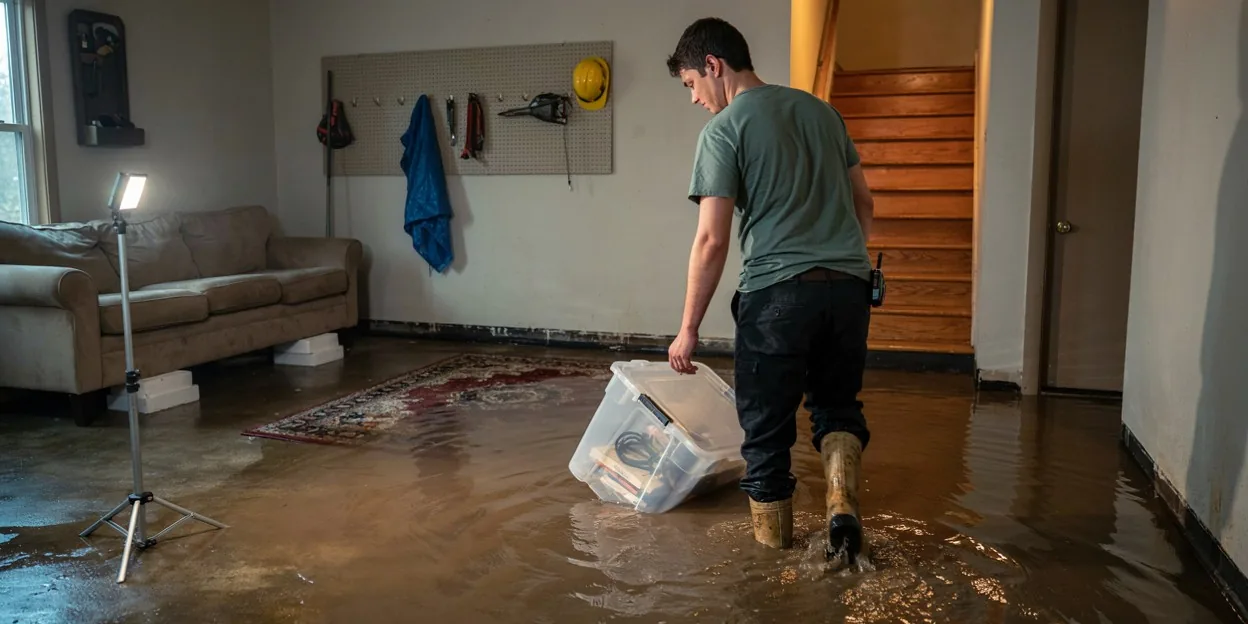
Bloomington is the unincorporated pocket between Rialto and Fontana, south of the 10 freeway, and it has kept a rural shape while the cities around it filled in. Half-acre and one-acre lots with horses and fruit trees sit next to 1950s and 1960s ranch homes, and warehouses have been pushing in from the freeway side for a decade. Many older homes still run on septic and a private well or a small mutual water line.
Flat ground with hard soil sheets water in a storm. Bloomington is in the Lytle Creek drainage, and before the channels went in, the 1938 flood spread across these flats. Today the losses are mostly indoor: sixty-year-old copper under the slab, a septic tank that backs up into the lowest bathroom, and a washer hose that split in a garage that hits 110 degrees in August.
Call us now and tell us what you see. We connect Bloomington homeowners with an independent local water damage provider who looks at the house and sets the scope.
Bloomington water damage, on the acre lots
A septic tank that backed up through the hall bathroom is sewage cleanup. A pump that cycles all night with nothing running, or a green patch in the dirt between the well and the house, is a leak detection call. The drying after either one is structural drying, which goes by the meter, not the calendar.
Where to call in Bloomington
Much of the community gets its water from the West Valley Water District, which can shut off at the meter when the house valve will not turn. Because Bloomington is unincorporated, rebuild permits go through San Bernardino County Land Use Services rather than a city hall.
Call (909) 494-5349 now and tell us what you see. We connect you with a local water damage provider serving Bloomington.
Services Available in Bloomington
Water Extraction
Standing water pumped and vacuumed out of the house, then the first moisture readings to see where it spread across the slab.
Structural Drying
Air movers and dehumidifiers set by the readings, with checks until drywall, subfloor, and framing come back to their dry target.
Leak Detection
Finding a hidden slab, wall, or supply-line leak under a valley tract home before anyone cuts concrete or opens a wall.
Burst Pipe Water Damage
The rooms, floors, and walls a failed or frozen supply line reached, pumped out and dried once the valve is closed.
Roof Leak Water Damage
Wet insulation, ceilings, and walls dried out after a monsoon downpour, a Santa Ana windstorm, or mountain snow got through the roof.
Water Heater Leak Cleanup
A failed tank in a garage, closet, or side yard and the flooring and drywall it soaked before anyone noticed.
Sewage Cleanup
Sewer backup and black-water removal with protective gear, contained disposal, and disinfection of the surfaces it touched.
Appliance Leak Cleanup
Water from a dishwasher, washer, fridge line, or swamp cooler traced under cabinets and flooring, then dried.